Building AI solutions yourself as a non-IT company? Don’t. The evidence speaks for itself.

Updated 6/22/2026
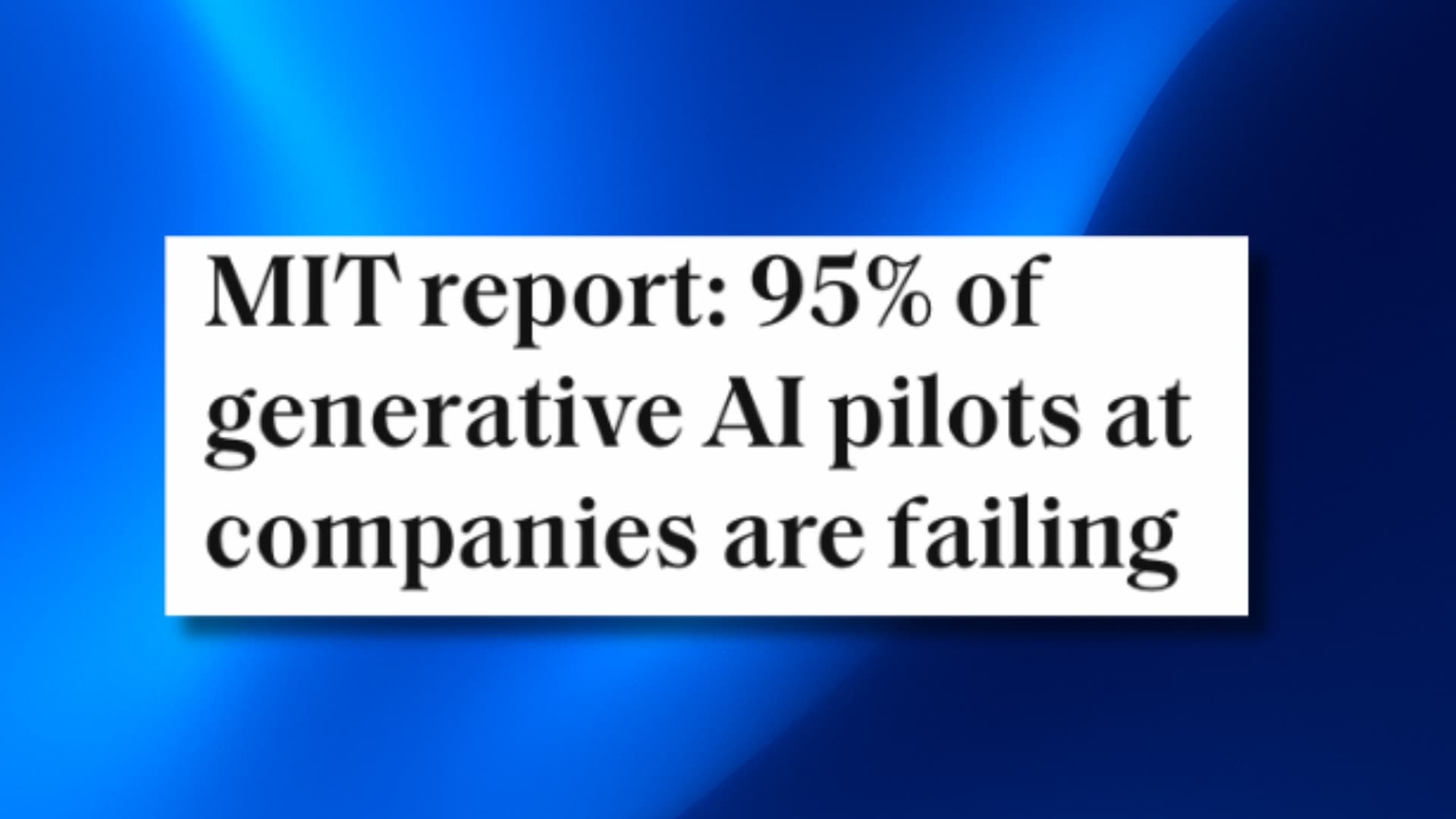
Veel bedrijven worstelen met AI. Volgens een MIT rapport levert 95 procent van de generatieve AI pilots geen financieel resultaat op. Het probleem zit niet in de technologie maar in de toepassing.
Whether to build AI for your logistics in-house or buy it is a question almost every transport company faces. The honest answer: building it yourself is rarely the smartest route. According to a widely cited MIT study, roughly 95 percent of generative AI pilots deliver no measurable financial return. The problem is not the technology, it is the application. Data is hard to unlock, systems do not connect, and internal teams lack the experience to make a model production-grade and reliable.
Why building AI in-house stalls in logistics
An in-house AI project sounds appealing: full control, a perfect fit to your processes. In practice it stalls on four points. Access to clean, structured data is harder than expected. Connecting to a TMS, email and document flows takes integration work that is routinely underestimated. Internal teams rarely have experience training and monitoring models in production. And maintenance never stops: prompts, models and edge cases keep demanding attention. This is exactly why many AI projects in logistics fail before they even begin: they are scoped too big, too far from the daily pain.
Buy or build: when each choice makes sense
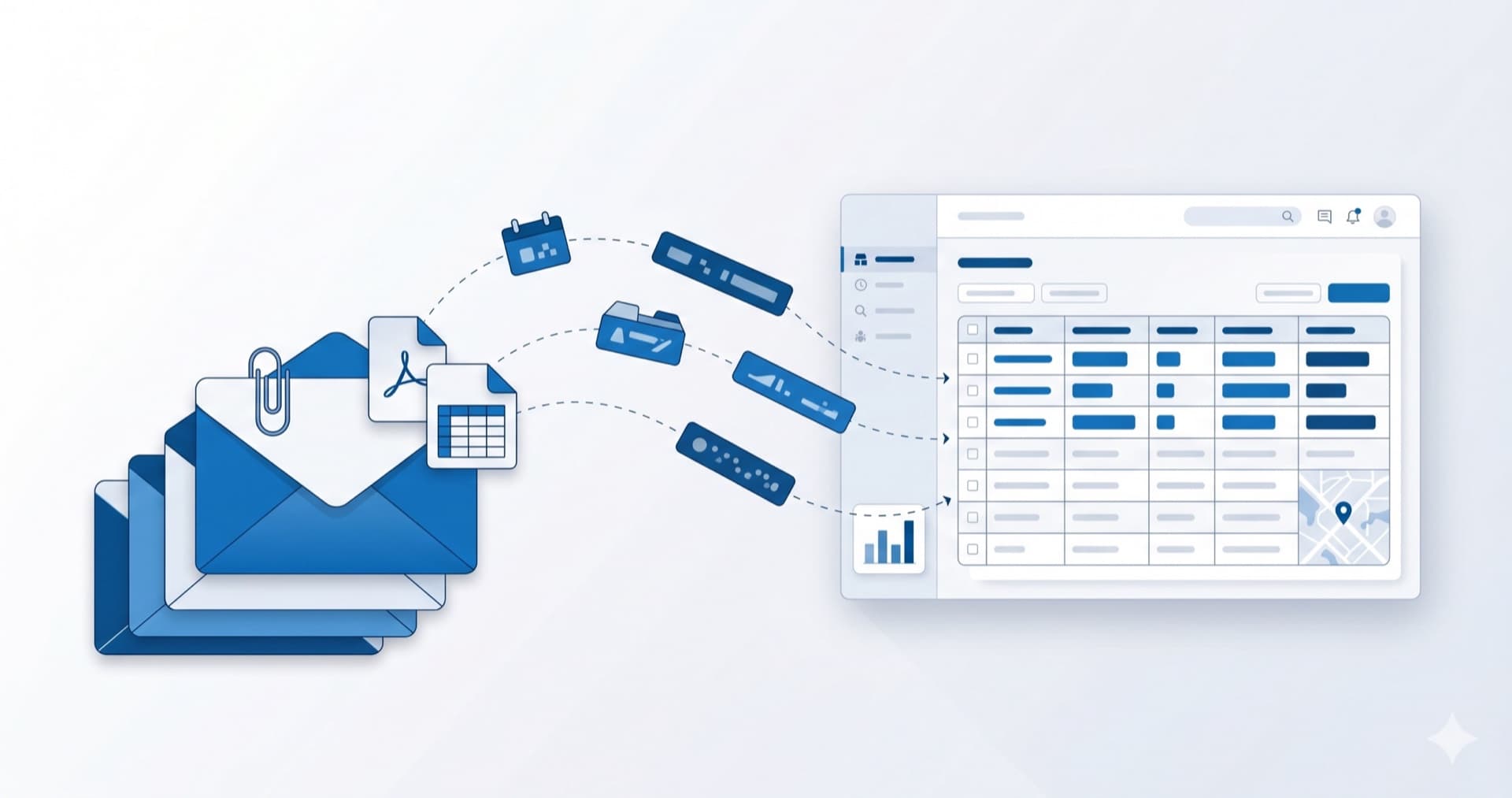
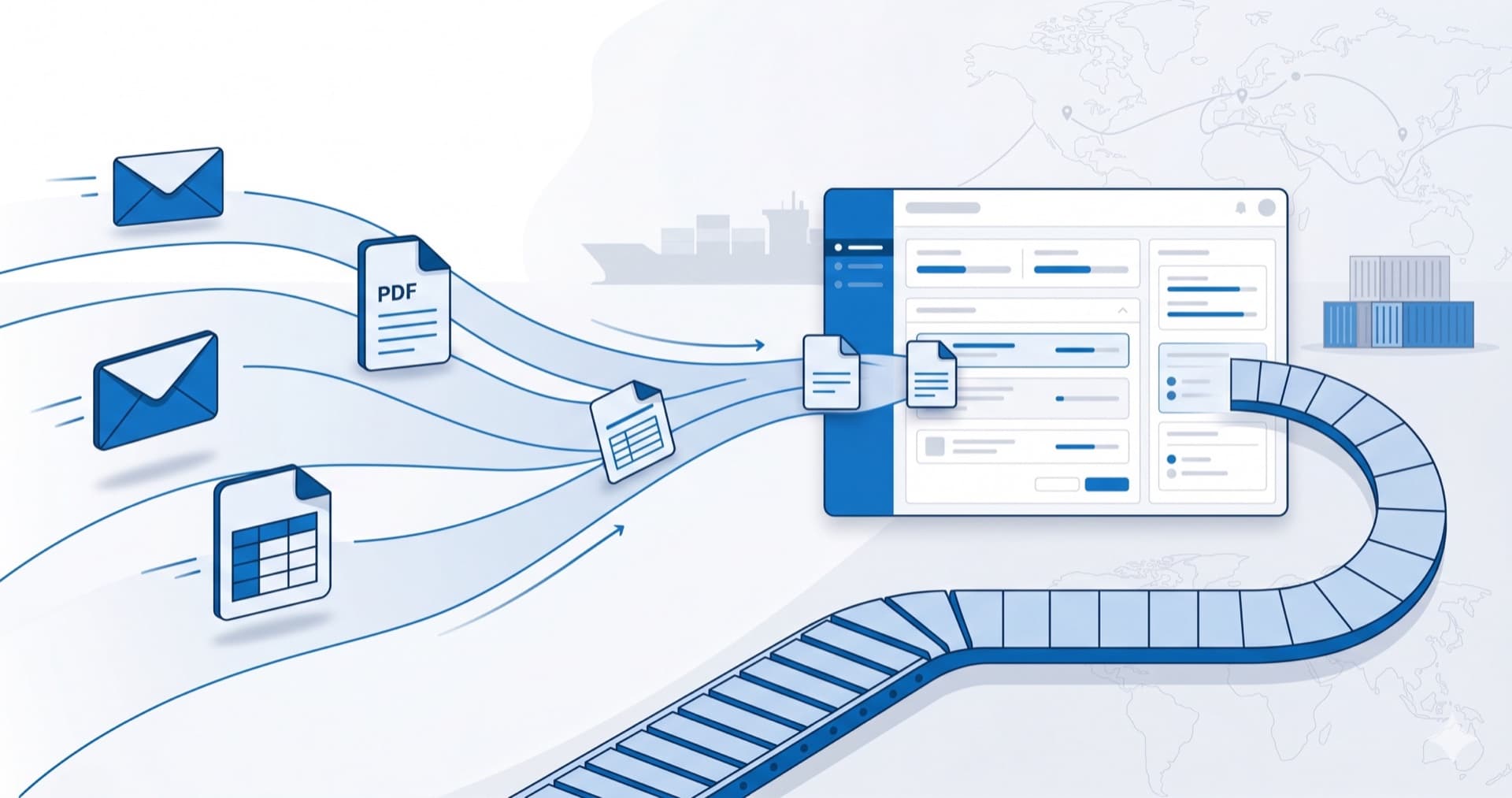
Building can be sensible when AI touches your core differentiation, you have an in-house data-science team, and you are willing to maintain it for years. For most logistics processes that does not apply. Reading transport orders automatically from email and PDF is a well-understood problem that has already been solved at a mature level. Reinventing it costs months of development time and rarely beats a specialised solution. The rule of thumb: build what makes you unique, buy what is already proven.
What a proven, in-production solution changes
Companies that choose a proven solution do not buy a standalone demo, they adopt a product already running in production at comparable companies. That makes a real difference. Integration is faster, value becomes measurable, and the organisation does not have to reinvent the wheel. In practice, automated order processing delivers around 80 percent time savings and 99.8 percent accuracy, turning an order flow that used to take 4 hours or more of manual retyping into roughly 15 minutes of checking the exceptions. You start small, measure the gains, and then scale up.
Logistics-specific: transport orders, email and TMS integration
For logistics, buy or build mostly comes down to one thing: choose a specialist. Someone who understands transport orders, knows what shipper emails and documents look like, and connects easily to your TMS or other systems. That is exactly what Chainfill focuses on. No broad AI promises, just concrete results: less manual work, fewer errors and faster order processing. See how our self-learning AI adapts to your order flow, or read why AI adoption in Dutch logistics still lags behind.
Conclusion
The MIT report shows how often AI pilots fail. We show that it can be done differently. Make the buy-or-build trade-off soberly, and for logistics order processing the answer is almost always a proven solution: live sooner, measurable gains, and no years of maintaining a home-built model.
Want to see what that delivers for your order flow? Book a demo and we will show it on your own documents.

About the author
Finn
Oprichter & product
Finn is medeoprichter van Chainfill en leidt de productontwikkeling. Hij richt zich op het inzetten van AI om documentverwerking in transport en logistiek te automatiseren.