
June 22, 2026
Order data from email attachments straight into your TMS: stop retyping
Your planners retype orders from email attachments into the TMS. Here is how AI pulls them automatically from email, PDF and Excel so retyping stops.
Read more →
Your planners retype orders from email attachments into the TMS. Here is how AI pulls them automatically from email, PDF and Excel so retyping stops.
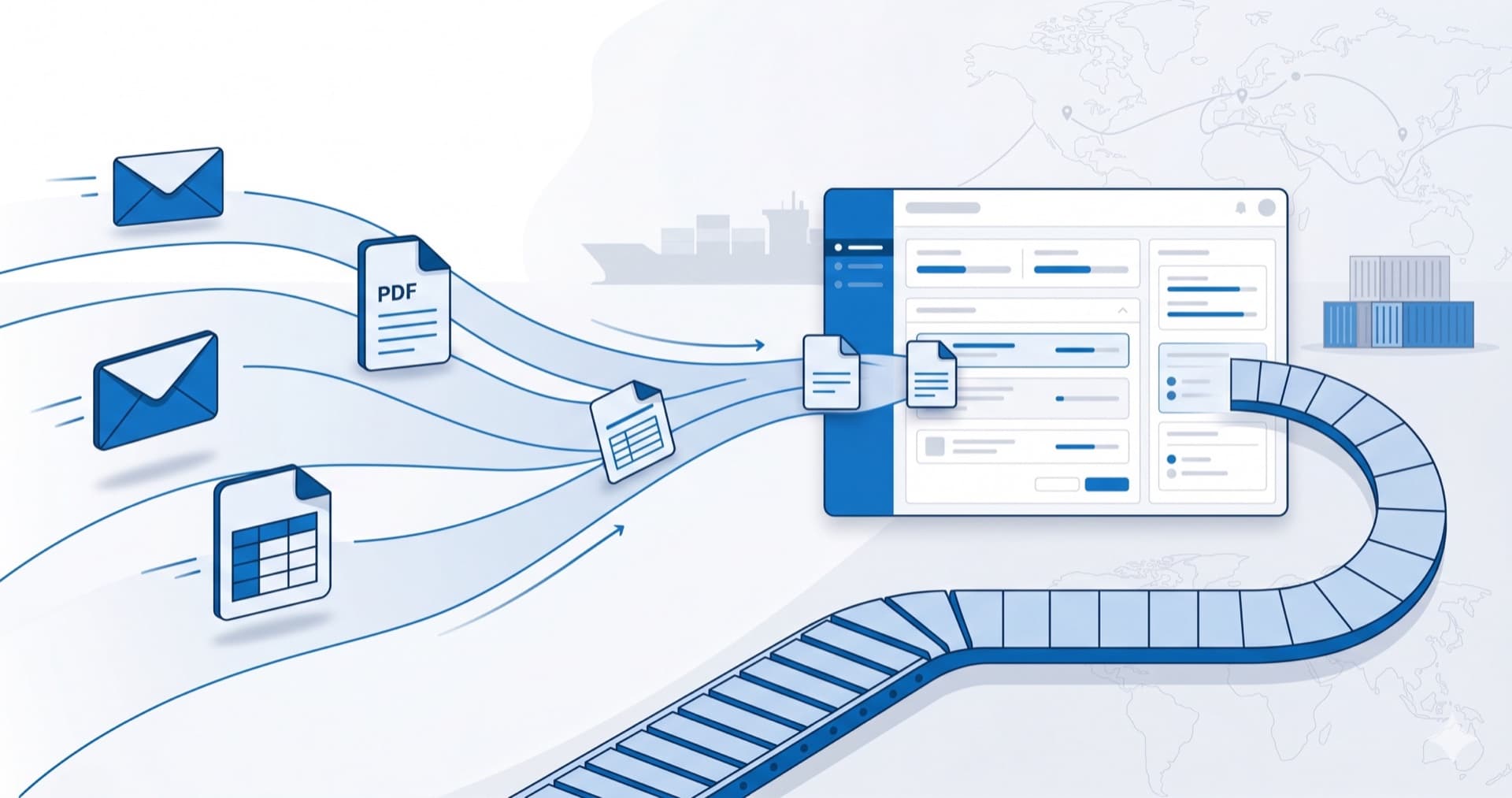
Not every partner does EDI. Here is how to process transport orders automatically without EDI, from email, PDF and Excel, and keep the order flow running.

Many transport companies discover during periods of growth that planning is not their biggest bottleneck. Order processing is. Here is why scalability often breaks down sooner than expected.
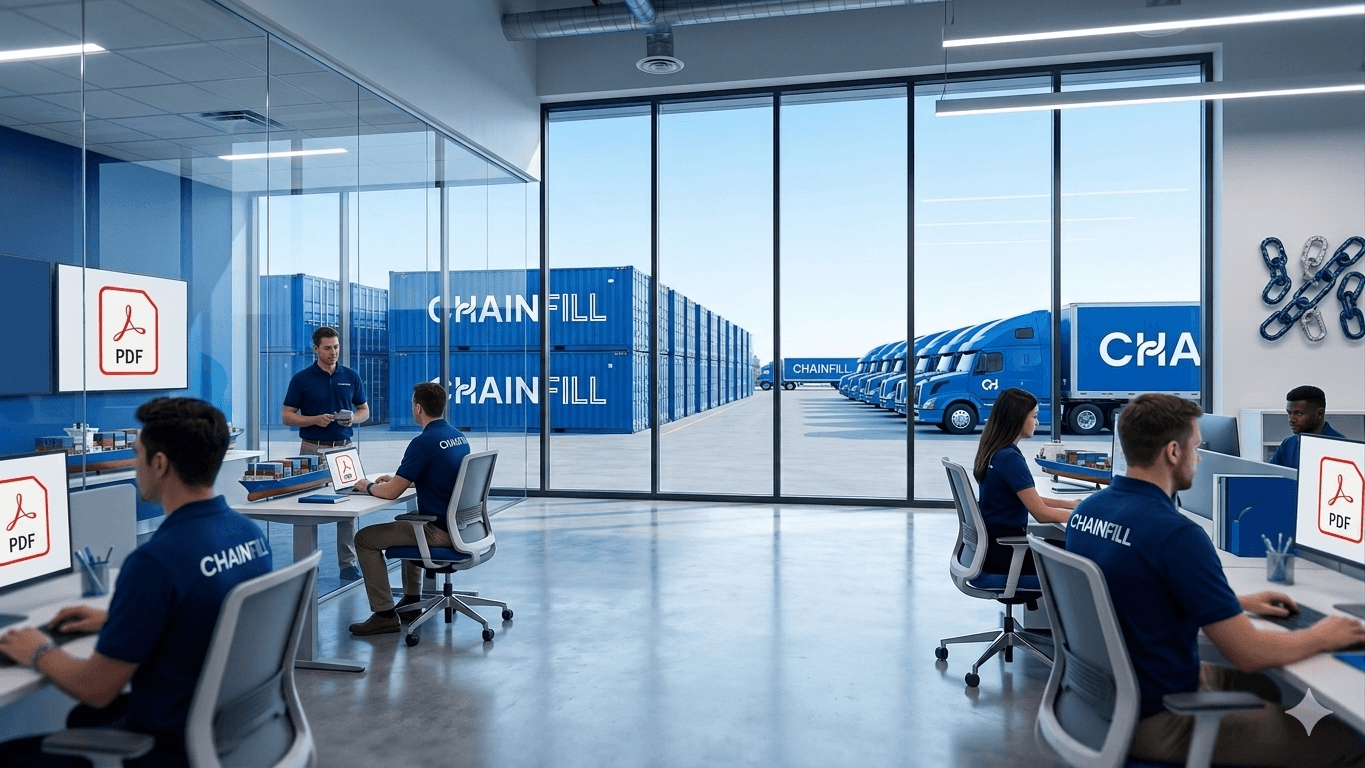
Are you trying to automate PDF transport order imports in your TMS, but things keep going wrong? Discover why standard solutions fail and what is actually required to achieve true automation in order entry.

AI projects in logistics often fail before they even begin. Not because of the technology, but because of missing context, unclear processes, and a lack of structure needed to make automation work at scale.
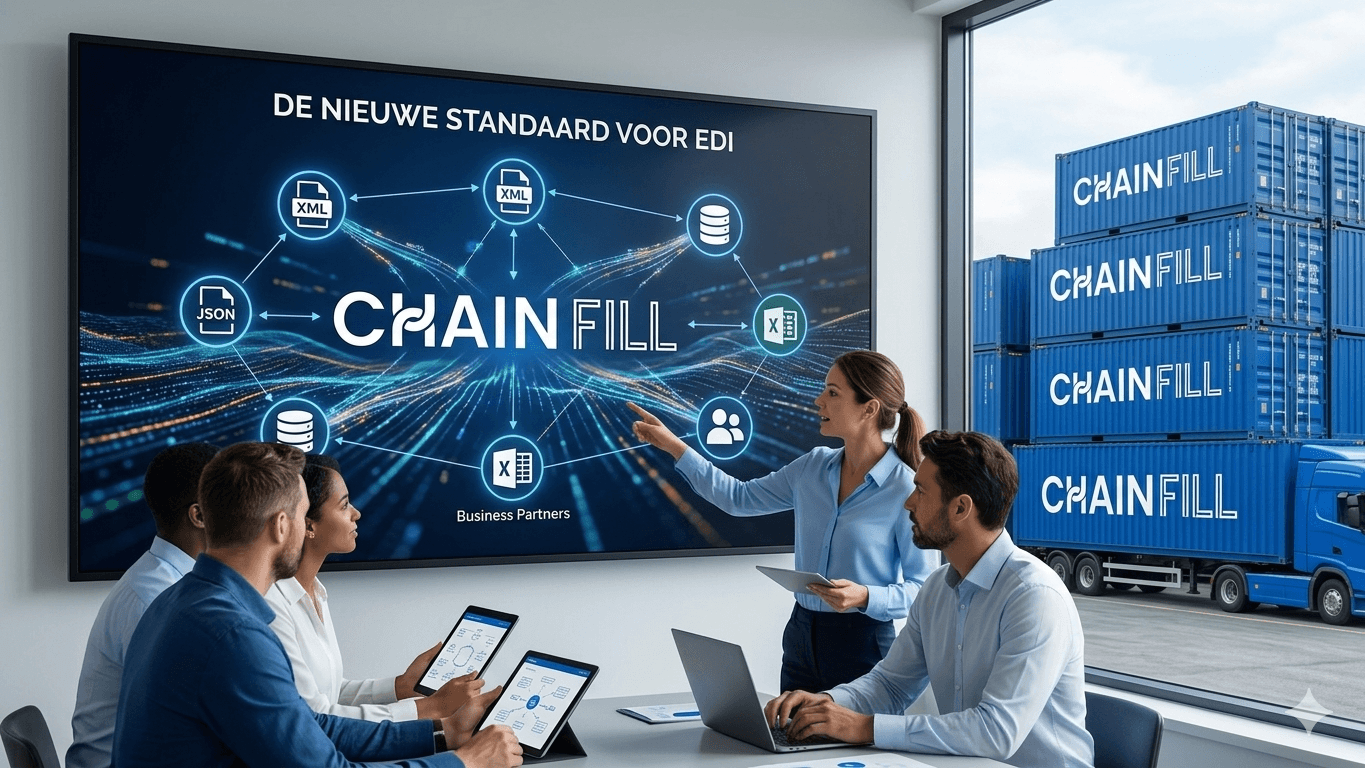
For many companies, EDI still feels like a slow and complex process. With Chainfill, that changes fundamentally. Integrations take shape automatically, communication becomes part of the solution, and teams regain control.