What are AI agents?

There is an enormous amount of software products, and AI has by now also become a buzzword for everyone. In this post, we look at the current AI developments, and specifically at so-called ‘AI agents’.
Over the past 2 years, the AI revolution has been in full swing, mainly driven by generative AI models that can almost communicate ‘humanly’ with users. Companies like OpenAI, Anthropic, Microsoft, Google, and Amazon are investing billions to continuously improve this technology.
Many smaller companies have also seen opportunities to use AI in their products. It almost feels like a comparable revolution to the rise of the internet and computers. Back then, the value of the product came from the easy exchange of information. But what is the (promised) value of AI?
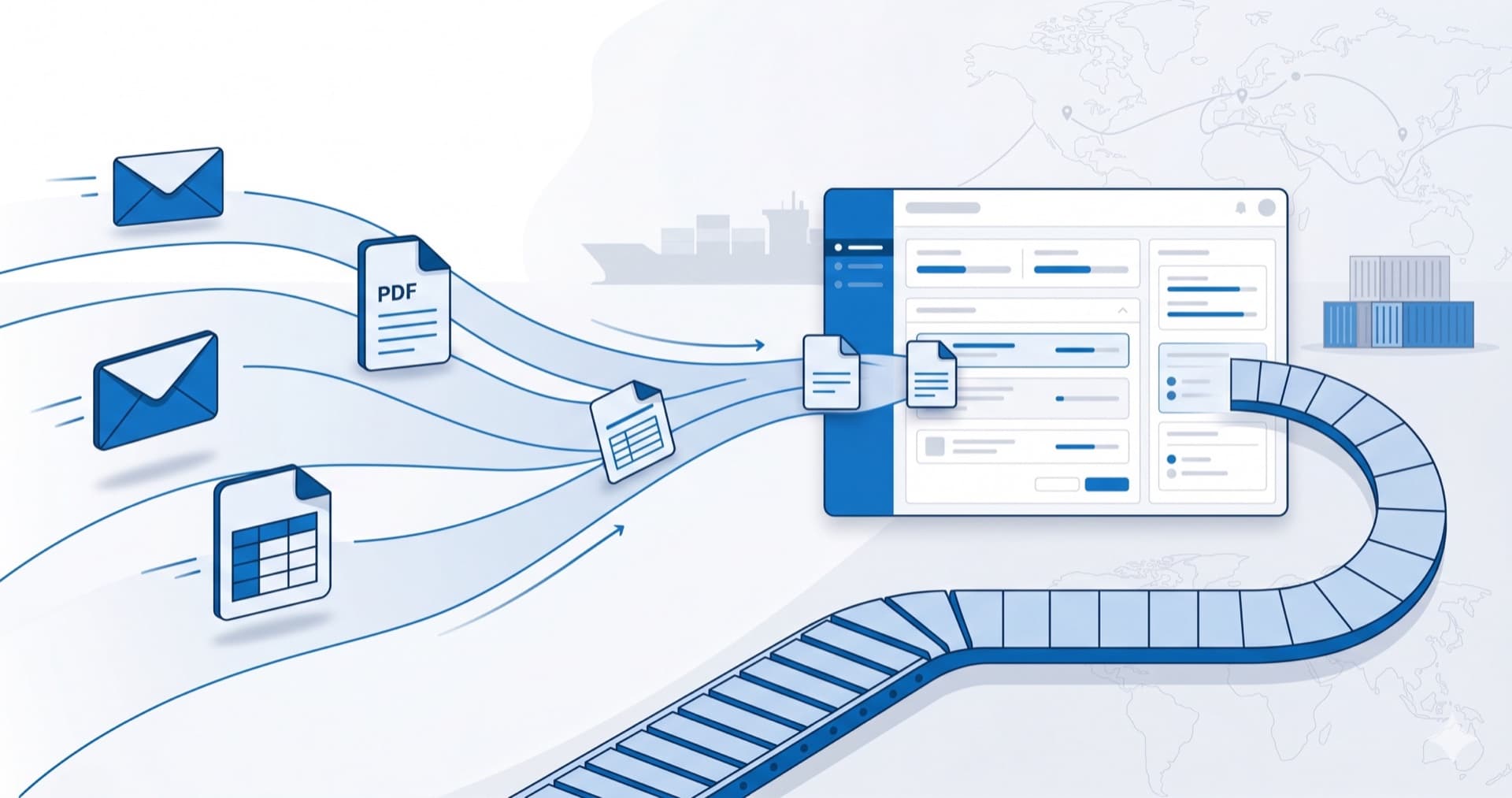
In short: AI enables you to take action with the information we have! The internet enabled information exchange, and AI takes it a step further. In this way, a huge amount of time can be saved compared to traditional work methods, which often involve a lot of data entry, copy-pasting, email handling, and research. The original promise of AI was that this work could be handled by AI, but a new term is now emerging: AI Agents.
This term is not thrown around lightly; Satya Nadella, leader of tech giant Microsoft, claims that AI agents will mark the end of Software as a Service (SaaS). That’s a huge statement, knowing there are already nearly 100,000 SaaS companies in the Netherlands. Are AIs really that smart and powerful that they can take over a lot of human work?
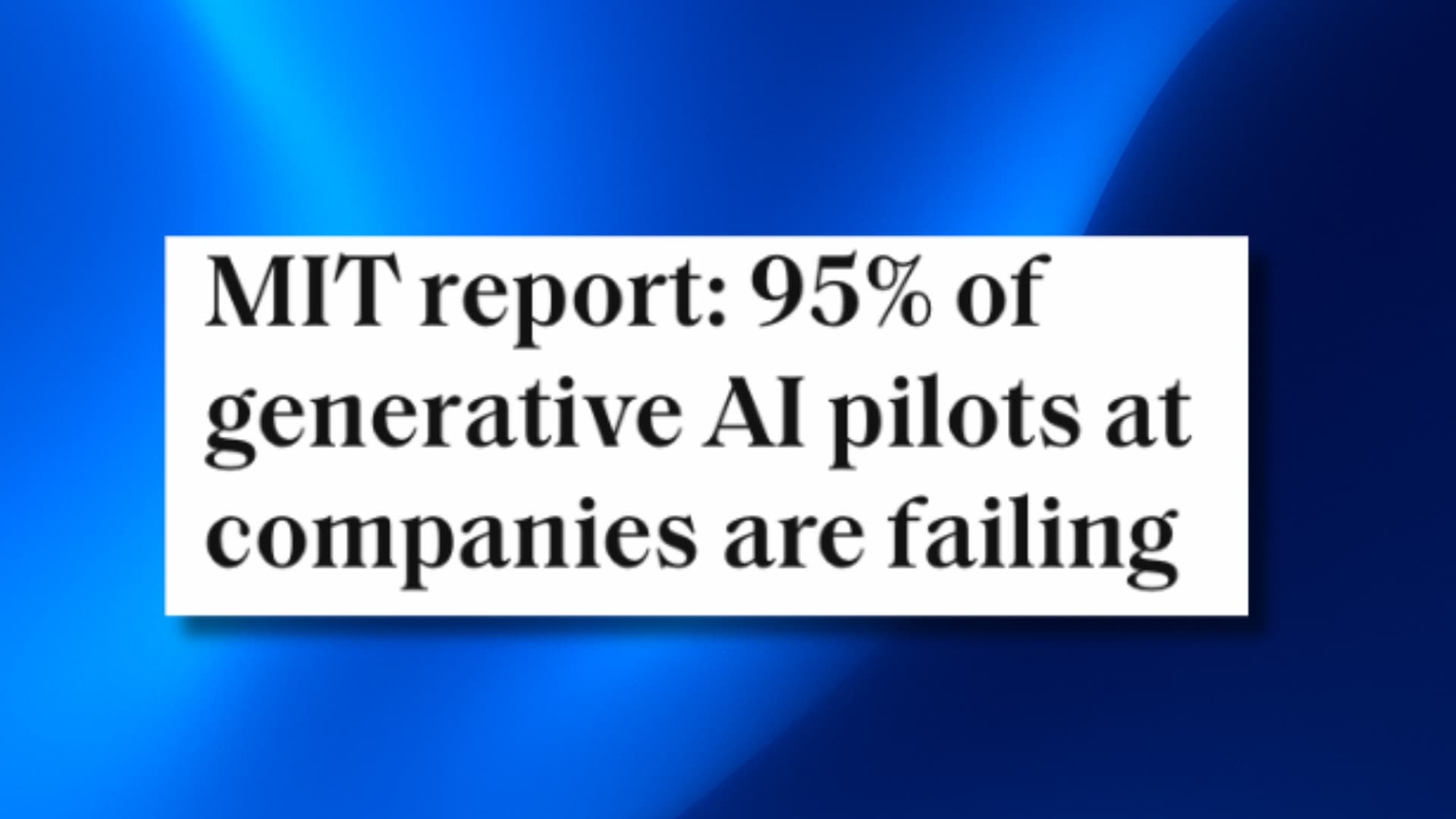
Answer: Yes, but mostly in potential. At the moment, there are no AI agents that deliver truly impressive results. Yes, we can read unstructured data, process emails, and respond naturally using AI. But currently, there are no fully functional agents that can autonomously execute a large part of a workflow without errors.
Is this the direction we are heading? The chances are high. The enormous growth in AI model capabilities we’ve seen over the past 2 years promises great things, especially as the models are simultaneously becoming more precise, faster, and cheaper.
It is impossible to predict exactly where the future will lead, but it is certainly wise for companies to consider AI developments in their current decisions. Investing in legacy software now could easily turn out to be a poor choice in just a year. Invest in the future by exploring where AI can already be useful to you, so you can grow alongside the new developments.
The problems AI agents are meant to solve mainly fall within the area of data: think of duplicates, which can cause confusion and incorrect actions, or incorrectly entered data and missing information.
Conclusion
The rise of generative AI and the promise of AI agents offer enormous potential for businesses, but the current reality shows that the technology is still largely in an experimental phase. While AI has already made impressive strides in processing unstructured data, its ability to manage complex, autonomous workflows flawlessly is still developing. This presents both opportunities and risks: on one hand, companies that invest in AI technology now can make their processes more efficient and stay ahead of future developments; on the other hand, ignoring this trend may lead to falling behind in a rapidly evolving market.
Companies would do well to review their current strategies and IT infrastructure in light of the ongoing AI revolution. It is important to focus on solving data-related issues, such as duplicates and incorrect or missing information, as this forms the foundation for reliable and effective AI applications. By embracing the advantages of AI agents now, organizations can not only save time and increase efficiency but also be better prepared for a future in which traditional Software-as-a-Service (SaaS) may become outdated. Investing in AI is therefore not just a technological choice but a strategic decision to grow along with the future.

About the author
Finn
Oprichter & product
Finn is medeoprichter van Chainfill en leidt de productontwikkeling. Hij richt zich op het inzetten van AI om documentverwerking in transport en logistiek te automatiseren.