The Hidden Costs of Manual Order Entry: An Overlooked Bottleneck in Logistics

Unfortunately, many companies still rely on outdated methods to process orders—from manual labor to outdated mapping solutions that take a huge amount of time to maintain. This can be done much better, and that’s exactly what we do at Chainfill.
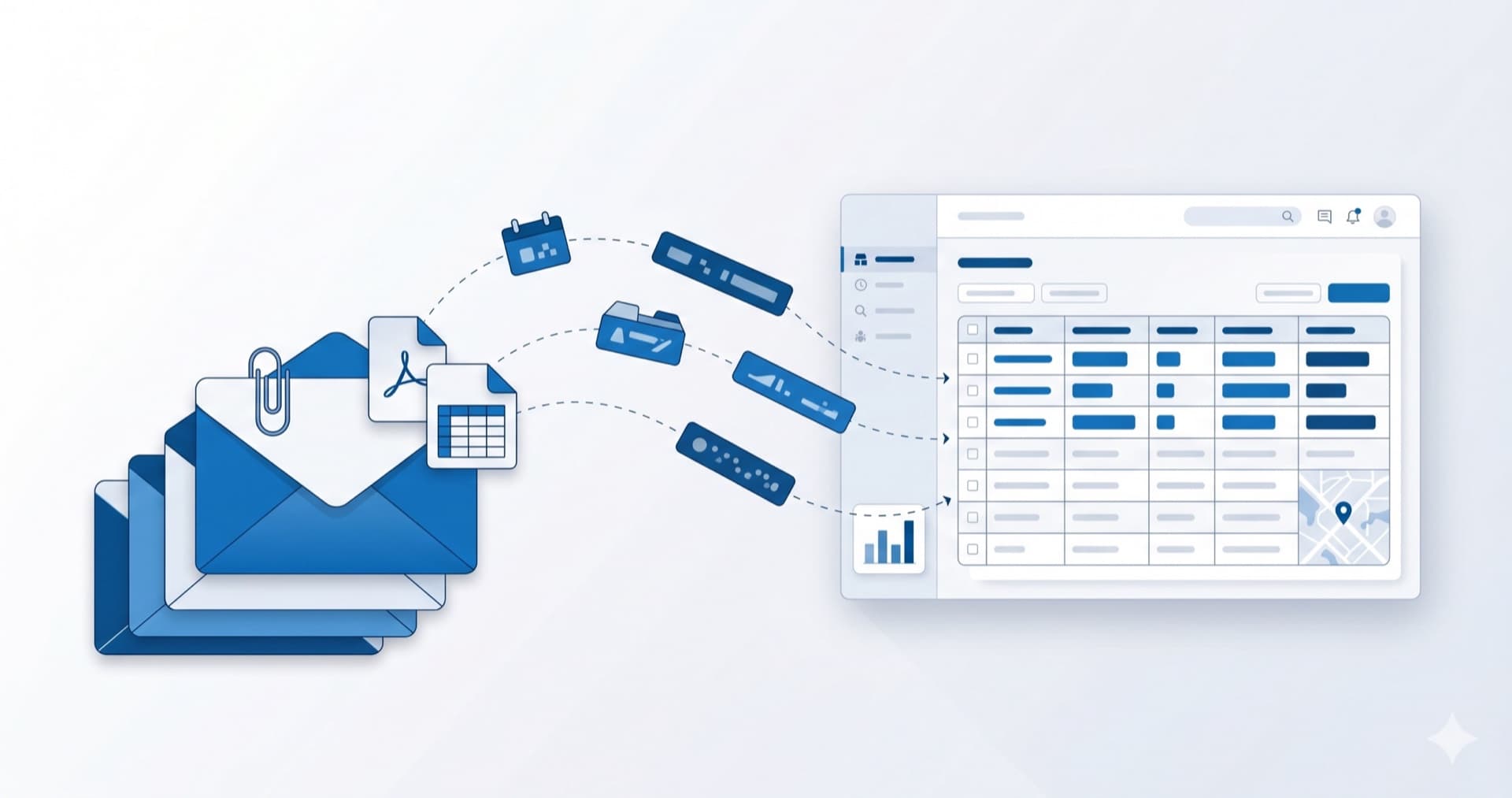
In many logistics companies, manual order processing is still the norm. Day in and day out, emails are opened, PDFs reviewed, Excel sheets copied, and information retyped into TMS or WMS systems. At first glance, this seems like an accepted part of the job—“that’s just how it is.” But beneath this seemingly harmless routine lies a hidden bottleneck that silently costs companies time, money, errors, and growth opportunities.
1. Time loss adds up
An employee taking 5–10 minutes to enter a single order may not seem dramatic. But with dozens or hundreds of orders daily, this quickly adds up to hours of repetitive work that adds no value—only necessary because systems don’t talk to each other.
Example:
100 orders/day × 7 minutes/order = 700 minutes = 11.6 hours per day.
That’s more than one full-time employee just for data entry.
2. Error-prone = cost of failure
Human errors are inevitable. A mistyped reference, wrong delivery address, or forgotten note can delay shipments, increase costs, or upset customers. Industry research shows manual entry errors account for 1–3% of total transport costs—small percentages, but huge annual sums.
3. Loss of scalability
Manual processes don’t scale. As customer volume grows, you must hire more staff—with the associated costs, onboarding time, and HR risks. In an increasingly fast and digital market, that’s a major disadvantage.
4. Staff friction
No one enjoys a day spent cutting, pasting, and retyping. Mind-numbing tasks reduce engagement and increase turnover. Your best people want impact, not to fight inbox fires.
5. Loss of competitive advantage
While you manually process orders, competitors implement AI automation, direct integrations, and self-service portals. Companies that adopt smart solutions now will gain customer trust through speed, accuracy, and flexibility. Manual work is no longer optional—it’s a risk.
6. Vulnerability to absences
Relying on just a few people makes your back office extremely fragile. If someone is sick, half your operation is disrupted. AI solutions ensure unexpected situations are handled smoothly.
7. Attracting the younger generation
Younger employees are digitally savvy and familiar with AI systems. Offering software that excites them keeps you ahead of competitors.
The real cost
When factoring in wages, errors, delays, staff shortages, and missed growth, the conclusion is clear: manual order processing isn’t just a back-office issue—it’s a strategic risk.
The Solution
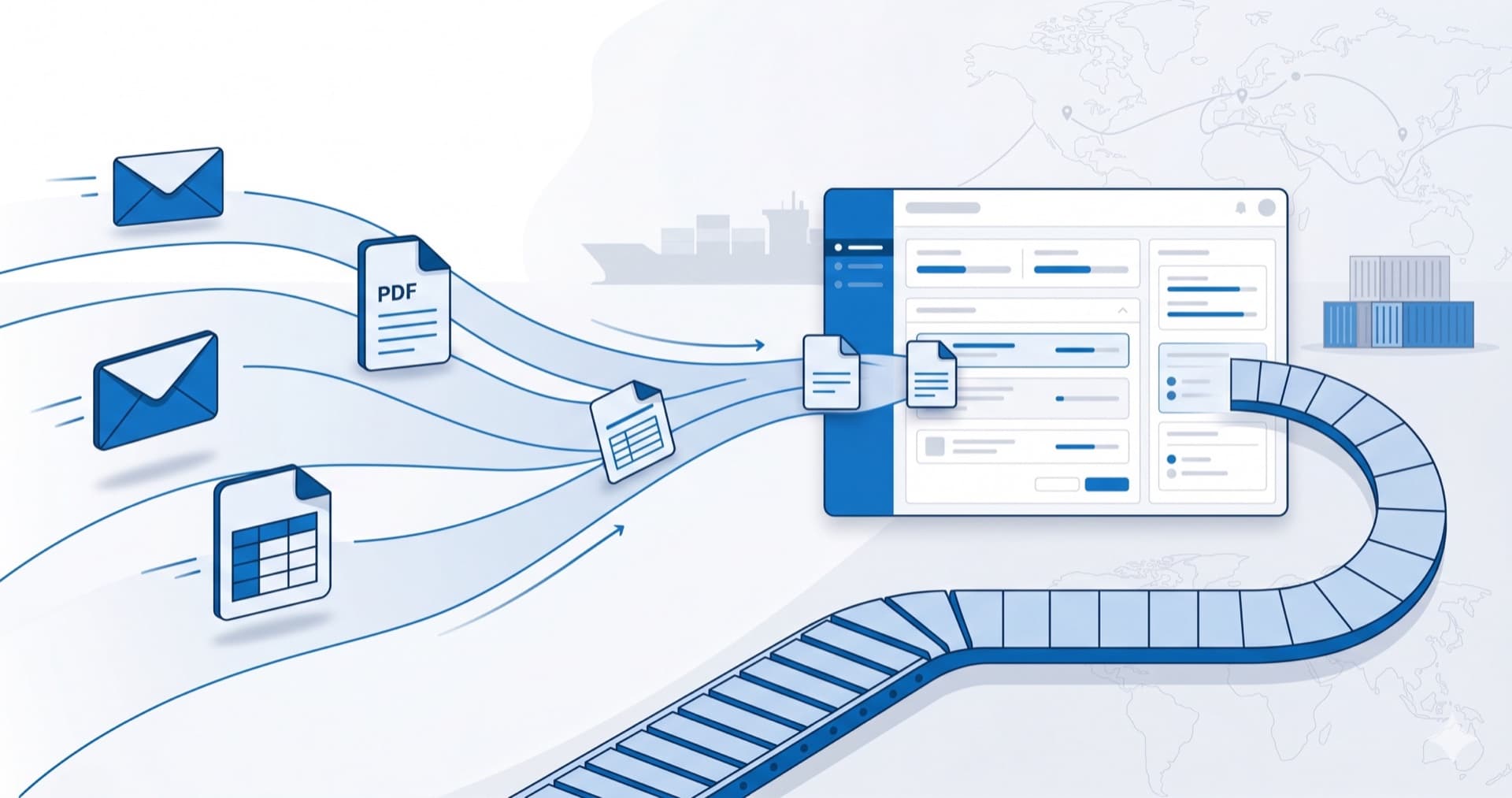
Automation with tools like ChainFill lets your systems “talk” to your inbox. Orders are automatically recognized, validated, and entered into your TMS or WMS—without anyone manually typing rules. Workflows become faster, more reliable, and scalable—ready for the future of logistics.

About the author
Finn
Oprichter & product
Finn is medeoprichter van Chainfill en leidt de productontwikkeling. Hij richt zich op het inzetten van AI om documentverwerking in transport en logistiek te automatiseren.