How Logistics Companies Can Get Started with AI: A Step-by-Step Guide for Successful Implementation

Want to get started with AI as a logistics company but don’t know where to begin? Here’s a simple framework to get you going. Start small—and start fast!
How Logistics Companies Can Get Started with AI: A Step-by-Step Guide
Artificial Intelligence (AI) is rapidly transforming the logistics sector. Companies that implement AI successfully reduce manual processes, improve accuracy, and increase efficiency. But where do you start? This guide provides a clear step-by-step approach and key considerations for launching AI in your logistics operations.
Step 1: Identify concrete challenges
Don’t adopt AI just because it’s trendy. Start by defining the real problems you want to solve. Common logistics challenges include:
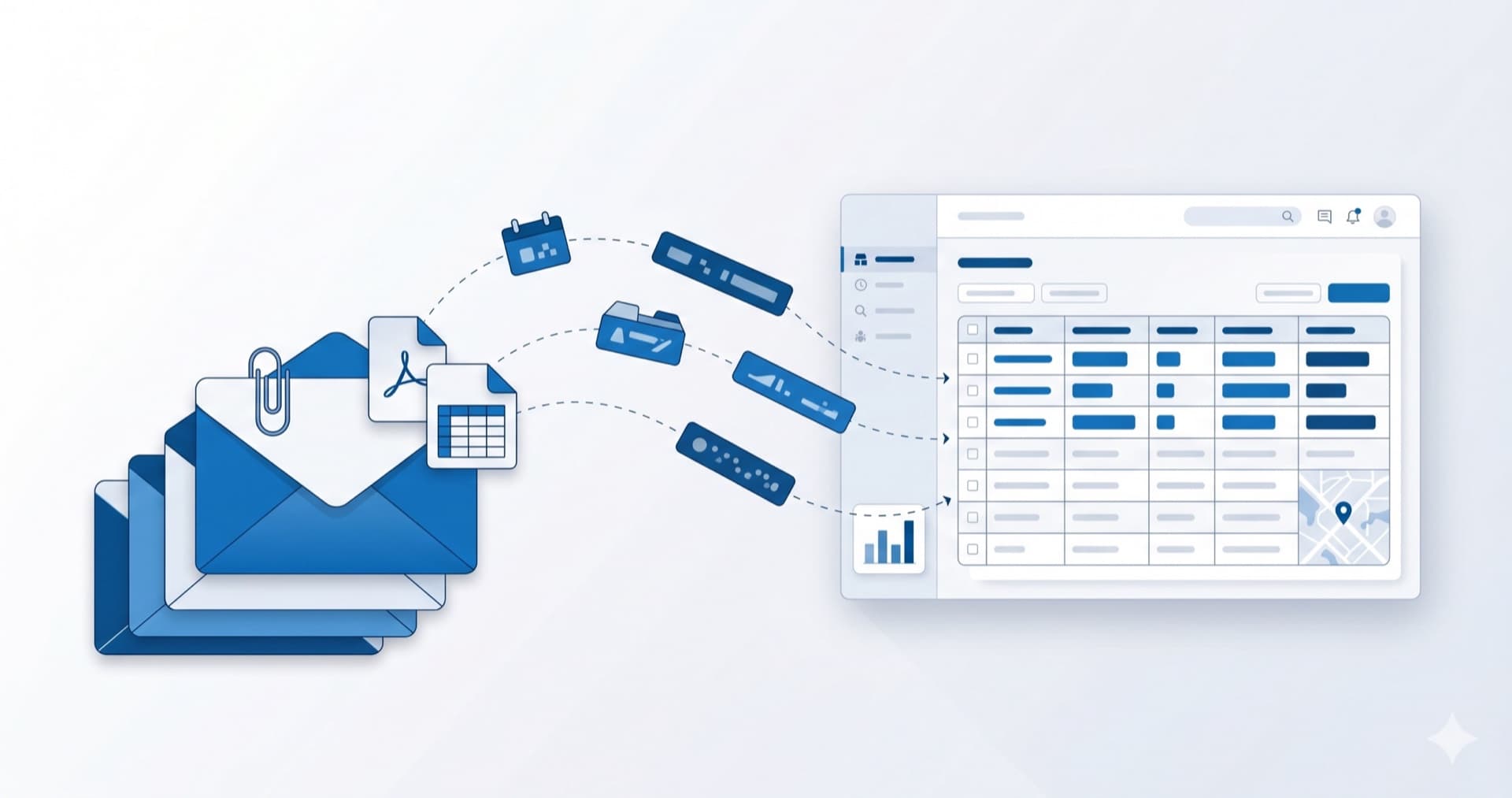
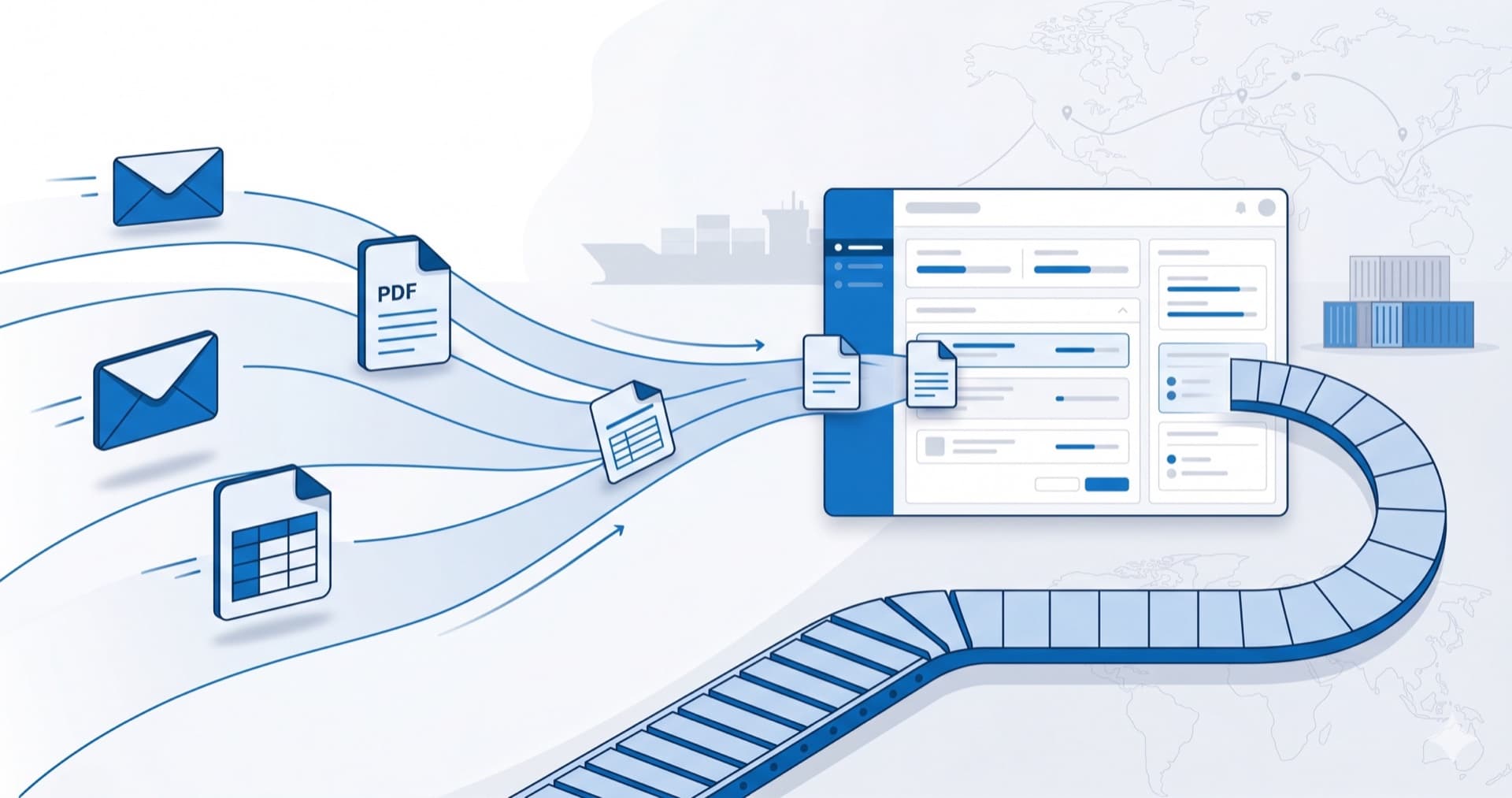
Manual data entry from emails or documents
Errors in order processing
Difficult communication between planners, drivers, and customers
Optimization of route planning and load management
By clearly defining problems, you can focus your AI efforts effectively.
Step 2: Set realistic goals
Define clear, measurable goals for your AI implementation, for example:
Reduce order processing time by 30%
Reduce data entry errors by 20%
Enable real-time shipment tracking
Clear objectives improve decision-making and build internal support.
Step 3: Choose the right technology and partners
AI technologies to consider:
Natural Language Processing (NLP): for document and email processing
Machine Learning (ML): for predictions, route optimization, or inventory management
Robotic Process Automation (RPA): for repetitive tasks like data entry
Work with partners who have experience in logistics applications.
Step 4: Collect and structure data
AI requires high-quality, structured data, such as:
Order information
Transport documents
Customer communications
Start with a small pilot to test and improve your data quality.
Step 5: Build or buy?
Decide whether to develop AI solutions in-house or use existing platforms. SaaS solutions are usually faster to implement, require less internal expertise, and often cost less than building and maintaining your own system.
Step 6: Test, learn, and scale
Start with small pilots, measure results, optimize, then scale. Involve employees in testing and evaluation to avoid costly mistakes.
Step 7: Train your team
AI requires a cultural shift. Ensure staff understand how AI supports their work and how to use it effectively.
Step 8: Monitor ethics and privacy
Pay attention to privacy, ethics, and GDPR compliance. Transparency and accountability are essential.
Step 9: Continuous monitoring and improvement
AI systems improve over time. Conduct regular evaluations, optimize continuously, and gather practical feedback.
Key considerations
ROI: Define expected returns and track them regularly
Support: Involve employees early to prevent resistance
Integration: AI should integrate seamlessly with existing TMS or ERP systems
Scalability: Ensure solutions can grow with your business
Conclusion
AI offers enormous opportunities for logistics companies. By taking a clear, step-by-step approach, you can avoid pitfalls and realize the benefits of automation and digitalization faster. Start small, but think big!

About the author
Finn
Oprichter & product
Finn is medeoprichter van Chainfill en leidt de productontwikkeling. Hij richt zich op het inzetten van AI om documentverwerking in transport en logistiek te automatiseren.