Getting and maintaining accurate data is a huge burden.

Everyone in logistics knows the pain of a small mistake escalating into a major disruption: an incorrectly entered address, a date that doesn’t match the actual schedule, or a unit recorded in the wrong measurement.
Everyone in logistics knows the pain of a small mistake escalating into a major disruption: an incorrectly entered address, a date that doesn’t match the actual schedule, a unit recorded in the wrong measurement, or a hazardous material shipped without proper labeling. It may seem trivial at the point of entry, but the consequences range from unnecessary waiting times to stalled trucks, missed bookings, or fines. What strikes me repeatedly is that organizations often place validation after data extraction or entry. That means they’re always one step behind.
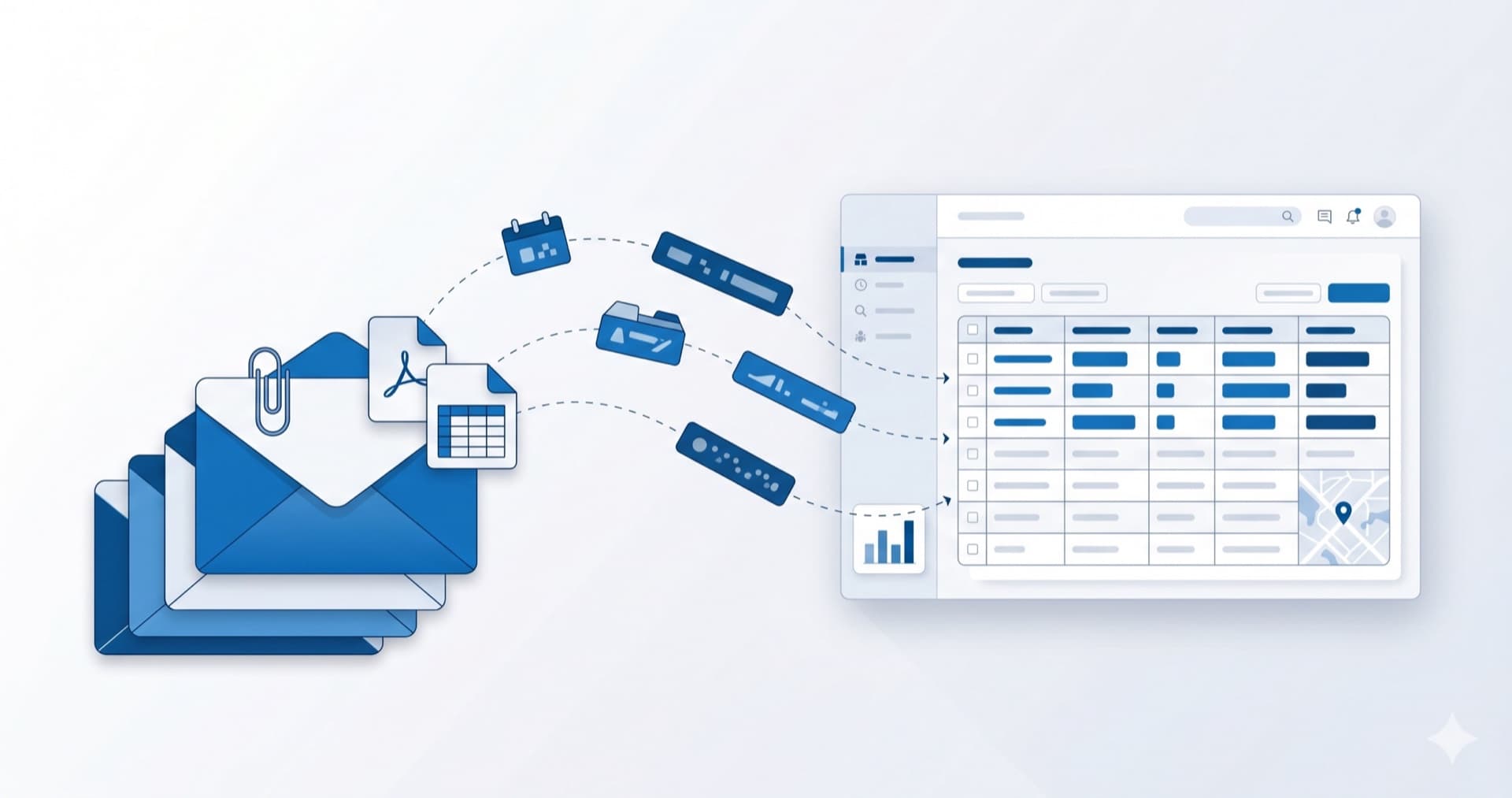
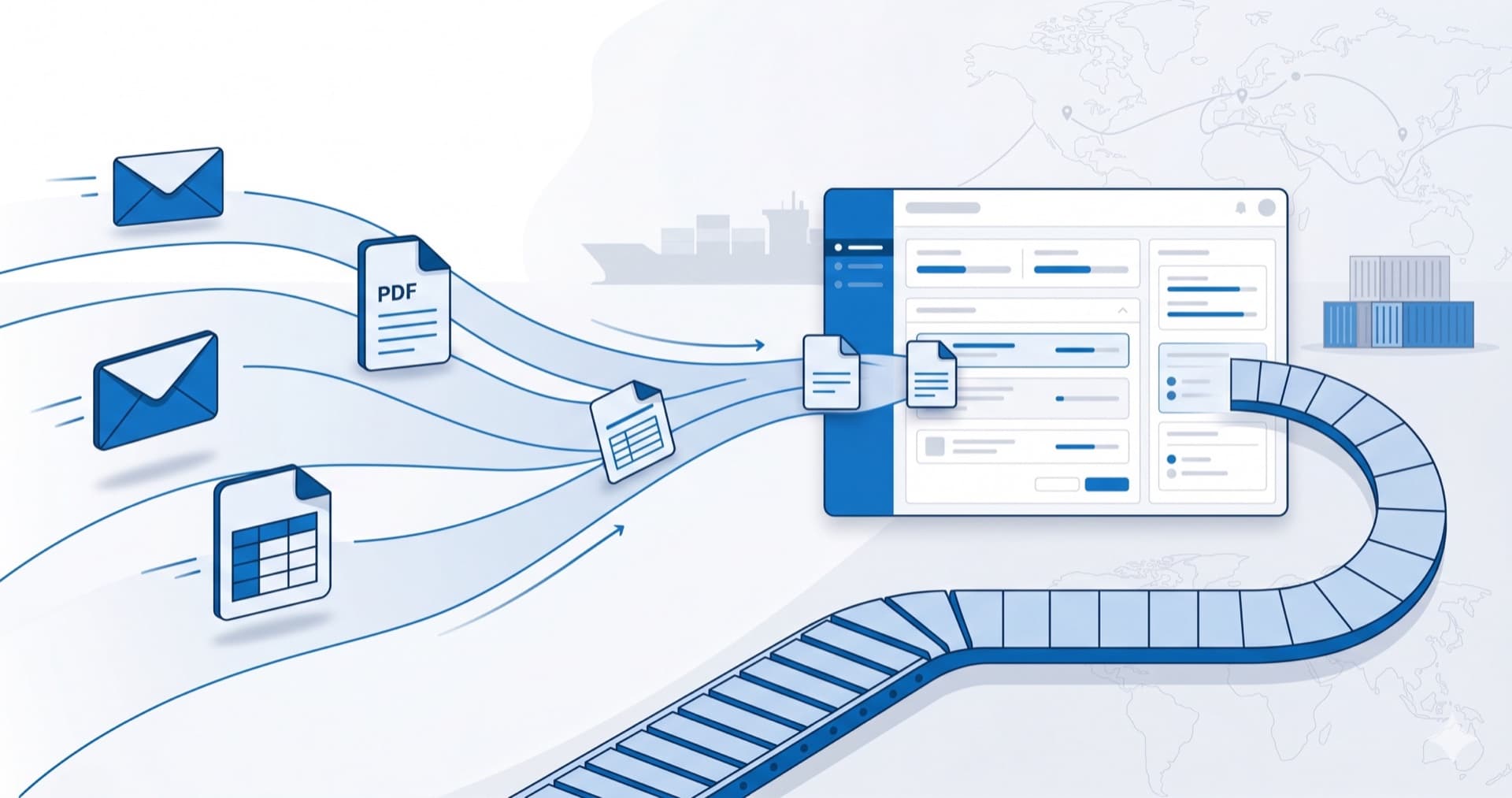
Validation should act as a safety net directly at the source. Not a check afterward, but a layer that monitors data quality from the very beginning. Especially in a world where data comes from all directions—PDFs, Excel, EDI, or plain text—this layer can be the difference between a process that runs reliably and one that constantly fires off emergencies.
Take addresses. The amount of variation and error is astounding: unrecognized abbreviations, postal codes that don’t match the city. Without a reference database, planners manually patch these inconsistencies. Normalize addresses immediately against a reference source, and you prevent shipments from ending up in the wrong region.
Dates sound simple, but in cross-border chains, time zones are rarely accounted for correctly. A loading date in Rotterdam isn’t the same as one in Shanghai, yet they are often blindly copied. Placing a validation that checks if the date and time zone match the loading and unloading location eliminates many misunderstandings before they even occur.
Units are another recurring issue. Weight may be entered in kilograms while the receiver expects pounds. Quantities are entered as packages when pallets are intended. A simple units check prevents numbers from losing their meaning, avoiding errors in shipping, invoicing, or vehicle loading.
And ADR—everyone knows how critical this is, yet the indicator is often ignored or not correctly transmitted. With hazardous materials, mistakes are unacceptable. A validation rule that immediately checks for ADR data and compliance with transport limitations is not optional—it’s essential.
All these examples share one thing: the error becomes costly only once it reaches operations. By validating before extraction, directly on incoming data, you remove the risk before it contaminates the chain. It’s like filtering water at the source rather than after it has already filled a contaminated reservoir.
The lesson is clear. Data in logistics is never perfect—and it never will be. But by validating intelligently, you can turn messy input into a reliable flow. It requires discipline, tools that are flexible enough, and above all, the belief that prevention is far better than cure. Every error you stop from entering is an error you never have to fix.

About the author
Finn
Oprichter & product
Finn is medeoprichter van Chainfill en leidt de productontwikkeling. Hij richt zich op het inzetten van AI om documentverwerking in transport en logistiek te automatiseren.